
Erika Rothenberger, a keynote speaker and author of Audacious Expansion, argues that audacity is not a personality trait but a decision, and she learned that the hard way. In June 2022, the civil engineer with an MBA and a corner office was attacked and strangled by a stranger in her workplace parking lot, and she says everything went black for about 45 seconds. What followed, by her account, was 999 days and 11 trials, a public act of forgiveness in the courtroom, and a push to change how Pennsylvania treats stranger strangulation. With host Eric Berman, Erika explains how she turned that interruption into a business built on keynotes, a book, and a sold-out women's summit. She walks through her BOLD method, her 3-3-30 daily routine for making progress on one audacious goal, and why people who feel they matter perform and stay longer. For founders who suspect they are playing smaller than they think, the conversation offers practical habits rather than slogans.
In this episode, you'll discover:
- How Erika Rothenberger's 3-3-30 method uses 36 minutes a day, about 2% of the day by her count, to set intentions, write goals by hand, and move one audacious goal forward
- The BOLD method behind her book Audacious Expansion: believing in yourself, the ongoing process, leaning on others, and developing others to build a repeatable muscle of resiliency
- Why Erika believes connection and mattering drive performance, and how Eric Berman used rotating one-on-ones and weekly 15Five check-ins to raise retention on his teams
- What turned her first Audacious Women's Summit into lasting change: one clear goal with an action plan, a supportive community, and a 12-week mastermind for accountability
- Why Erika chose to forgive her attacker publicly on day 999 of the legal process, and how she says that decision freed her to do the work she does now
Episode Summary
Erika Rothenberger's central claim is that audacity is a choice rather than something people are born with, and that the biggest risk is waiting until you feel ready. Before June 16, 2022, she believed she was already living a bold life: originally from Plymouth, Massachusetts, she had spent 20 years as a woman in construction, worked as a civil engineer with an MBA, and had a corner office, a husband, and two children. She now describes that version of herself as playing small, and frames what happened that day as an interruption that became an invitation.
That morning, a man she had never seen before attacked her as she opened her car door outside the Pennsylvania office building where she had worked for 10 years. Erika recounts being punched repeatedly, thrown to the pavement, and strangled until everything went black for about 45 seconds. She later learned, by her account, that the attacker was a former boxer who had served 12 years in prison and had assaulted four other women in Philadelphia the night before. She escaped into the office building, he was later found by dogs and drones hiding in nearby marshland, and doctors told her they could not believe she was alive. Days later, sitting in her backyard in a hooded sweatshirt, she says it was not prescriptions or police reports that pulled her forward but hearing her children laugh in the pool. She describes consciously rejecting the victim and survivor roles and deciding to thrive.
The legal fight became part of her mission. Erika says it took 999 days and 11 trials, and that under Pennsylvania law strangulation by a stranger was treated as a misdemeanor rather than a felony, so prosecutors leaned more on the attempted carjacking charge. She states that the attacker ultimately received maximum sentencing and is in a maximum security prison for up to 30 years, and that she is now pushing a three-part law, which she says the legislation named Erika's Law, so others in Pennsylvania do not face the same process. On day 999 she told him in court that she forgave him, not for what he did but because she believed carrying that energy would prevent her from doing her work. She credits a lot of therapy and mindset work for getting there, and she says hearing his difficult past at the final trial reminded her that everyone comes from somewhere, without excusing what he did.
From there, Erika built a body of work around resilience: a TEDx talk, keynotes including The Audacity That Builds You and a talk on meaningful connections, and her book Audacious Expansion, which opens with a chapter called Punch or Pivot. Her BOLD method stands for believing in yourself, the ongoing process, leaning on others, and developing others. She redefines audacious acts as the quiet things done when nobody is applauding, such as tying your sneakers when no one is waiting at the gym or setting a boundary. Each chapter ends with an Audacity in Action challenge, and she says people are 43% more likely to achieve a goal they write down and 78% more likely when they also share it. Her daily 3-3-30 routine adds structure: three minutes of intention before touching the phone, three minutes writing what you are grateful for or working on, and 30 minutes on one audacious goal.
Connection runs through every part of the conversation. Erika says connection was her oxygen the day of the attack, cites figures that 53% of people feel lonely every day and 30% feel invisible at work, and points to The Power of Mattering by Zach Mercurio. She suggests asking people about upcoming vacations instead of their titles, and describes an interview where an SVP asked for one word to describe her without her credentials; she answered effervescent and still uses the exercise in keynotes. Eric Berman adds how he made employees feel heard through rotating one-on-ones and weekly 15Five check-ins he answered personally, which he credits for high retention. On growing an Instagram following of nearly 50,000, Erika emphasizes consistency, comparing an inconsistent brand to a Home Depot open only on Tuesdays, and showing genuine vulnerability so people can know, like, and trust you.
The conversation closes on lifting others as you rise and finding the right room, a theme both speakers share. Taken together, the episode offers a candid account of trauma and recovery alongside concrete tools an entrepreneur can apply this week: a daily time block, a written goal, deliberate accountability, and a renewed focus on making the people around you feel they matter.
Big Ideas Discussed
Audacity Is the Work You Do When No One Is Watching
Erika Rothenberger pushes back on the idea that audacity means big, flashy, brave gestures. In Audacious Expansion, she defines audacious acts as the things done behind the scenes without applause: getting up to tie your sneakers when nobody is waiting at the gym, making the extra phone call, creating a boundary, or quitting a job that no longer fits. The expansion half of the title, she explains, is about deliberately stretching beyond the circumference that feels comfortable, a point she makes physical by handing out pink rubber bands at her keynotes and asking people to wear one for at least a week.
For entrepreneurs, this reframes progress as a habit rather than a moment of inspiration. Erika compares resiliency to a muscle that can be trained, noting that the first day at the gym hurts most and that consistency, not natural talent, is what separates people who finish from those who stall. Her BOLD method gives that habit a structure: believe in yourself, accept that the process is ongoing, lean on others, and develop others. Each chapter of her book ends with an Audacity in Action challenge and a downloadable journal, because she believes action starts when pen meets paper; she says writing a goal down makes people 43% more likely to achieve it.
The 3-3-30 Method: Thirty-Six Minutes to Protect Your Biggest Goal
Erika's most tactical contribution is her 3-3-30 method, which totals 36 minutes a day, roughly 2% of the day by her count. The first three minutes happen before getting out of bed and before the phone goes on, setting an intention for the day. The next three are spent writing by hand three things you are grateful for or working on; she says she wrote her goal of becoming a TEDx and keynote speaker into being this way. The final 30 minutes go directly toward one audacious goal.
Her challenge to listeners is blunt: if you say you want to write the book or find the new job but spend no time on it, the goal is not real yet. She argues most people have doom-scrolled for longer than 36 minutes, so time is rarely the true constraint. The key, she says, is defending that block the way you would protect a nail appointment or your child's game. Erika says sharing a written goal makes it 78% more likely to happen, and Eric Berman adds that going public raises the stakes, because once peers know about it you are less willing to let yourself or them down.
Make People Feel They Matter, Not Just Connected
Erika argues that we live in a world that is more connected than ever yet deeply disconnected, citing figures that 53% of people feel lonely every day and 30% feel invisible at work. Drawing on Zach Mercurio's The Power of Mattering and her keynote on meaningful connections, she recommends moving past rudimentary questions about weather or job titles. Asking about someone's next vacation, she says, makes people light up and reveals what they value. She also asks audiences to introduce themselves with a single word instead of a title, an exercise rooted in a job interview where she described herself as effervescent.
Eric Berman connects this to leadership. When he ran large teams, he held rotating one-on-ones, acted on the suggestions he heard, and used the software 15Five so employees answered five questions each Friday; he spent Saturdays responding personally. He says staff felt that the CEO actually cared and credits that with high retention. Erika adds that belonging, not money or titles, is what she sees as the top driver of longevity and happiness, pointing to the social connection common across blue zones and the psychological safety people need to share new ideas in meetings.
Community and Accountability Turn Inspiration Into Results
Erika's first Audacious Women's Summit in 2025 sold out weeks ahead, but she says the real measure was what attendees did afterward: one woman lost 15 pounds, another decided to start her own Women of Wisconsin event and asked Erika to keynote it, and another ended a marriage she knew was no longer serving her. Erika attributes those changes to three elements. Attendees left with one clear audacious goal and an action plan, because a confused mind does nothing. They realized others in the room felt the same way. And those ready for more joined a 12-week mastermind for daily accountability.
The same principle shaped her recovery and her social media growth. She credits the people who showed up for her with getting her through the hardest days, and she grew toward 50,000 Instagram followers through consistency and honest vulnerability rather than constant selling, comparing an inconsistent brand to a Home Depot open only on Tuesdays. Erika closes by urging listeners to find their group and lift others as they rise, and Eric adds his own rule: find the right room, and if the first one drains your energy, keep looking.
Questions We Answer in This Episode
What is Erika Rothenberger's 3-3-30 method for reaching big goals?
Erika Rothenberger's 3-3-30 method is a 36-minute daily routine. The first three minutes are spent setting an intention before getting out of bed and before turning on your phone. The next three minutes are for writing three things you are grateful for or working on with pen and paper. The final 30 minutes go toward one audacious goal. Erika says 36 minutes is about 2% of the day and that most people already spend more than that doom-scrolling.
What does the BOLD method in Audacious Expansion stand for?
In her book Audacious Expansion, Erika Rothenberger describes the BOLD method as four parts. B is believing in yourself and the foundation you build each day. O is the ongoing process, a reminder that Rome was not built in a day. L is leaning on others, because people are not meant to do life alone. D is developing others, because serving others raises your own bar. She presents it as a way to build a muscle of resiliency in any area of life.
How did Erika Rothenberger turn a violent attack into a new career?
Erika Rothenberger says that after being attacked and strangled by a stranger in June 2022, she consciously chose to thrive rather than see herself as a victim or survivor. While working through 999 days and 11 trials, she decided to give a TEDx talk, write the book Audacious Expansion, pursue a change to Pennsylvania law, and build a speaking career. She credits connection with the people who supported her, plus therapy and mindset work, for making that shift possible.
Why did Erika Rothenberger forgive the man who attacked her?
Erika Rothenberger says she told her attacker in court on day 999 that she forgave him, not for what he did, but because she believed it was the only way she could move on. She explains that holding onto that energy would have kept her from doing the work she does now. She says the forgiveness came from a lot of therapy and work on herself, and that learning about his difficult past did not excuse his actions.
What law is Erika Rothenberger trying to change in Pennsylvania?
Erika Rothenberger says that in Pennsylvania, strangulation by a stranger was charged as a misdemeanor rather than a felony, so prosecutors in her case relied more heavily on the attempted carjacking charge. She believes her attacker received maximum sentencing only because she went through all 11 trials. She is advocating for a three-part law, which she says the legislation named Erika's Law, so that others in Pennsylvania who face similar attacks can get justice more easily than she did.
How can leaders make employees feel like they matter?
Eric Berman and Erika Rothenberger both stress listening and acting on what people say. Eric describes holding rotating one-on-ones, acting on employee suggestions, and using 15Five so team members answered five questions every Friday, which he personally responded to each Saturday. He credits this with high retention. Erika recommends asking people about things they are excited about, like an upcoming vacation, and introducing yourself with one descriptive word instead of a job title.
How did Erika Rothenberger grow her Instagram following to nearly 50,000?
Erika Rothenberger describes her Instagram growth to about 49,900 followers as methodical and built on consistency, branding, and vulnerability. She compares inconsistent posting to a Home Depot that opens only on Tuesdays. She says people want to know, like, and trust the person behind a brand rather than be sold to, especially as AI increases disconnection. She also keeps learning, mentioning a recent session in Fort Lauderdale with Jen Gottlieb.
Full Episode Transcript
Read the Full Episode Transcript
Forgiveness in the Courtroom and Introducing Erika Rothenberger
Announcer: Welcome to Inside the Speakeasy Podcast, the private room where today's sharpest founders, innovators, and renegade thinkers come to trade the ideas that move industries. This show is brought to you by HighLevel, the AI-driven business operating system trusted by over 2 million businesses to help automate, scale, and create real leverage. HighLevel isn't just a tool, it's the engine behind some of the most agile and high-performing teams on the planet. If you're ready to streamline everything, amplify your reach, and actually build a business that works for you, you're in the right place. Visit www.GoHighLevel.com/Speakeasy-Mastermind-Promo to get an exclusive 30-day trial for being a listener of the Inside the Speakeasy Podcast. Enjoy the show.
Erika Rothenberger: But I think it's really important to share is I not only publicly on day 999, when I was in the courtroom looking this man in the eyes with my husband sitting there, one of my best friends, and looking at him and reminding him that I forgave him. Not for what he did, but because I knew it was the only way that I could move on. And if I kept that energy inside, I knew there was no way that I could do the work that I'm doing now.
Eric Berman: Yeah, that's courage. That takes strength. Incredible. Now, she doesn't believe audacity is something you're born with. She believes it's a choice that changes everything when you finally make it. Success didn't come to her because she had all the answers. It came because she stopped asking for permission. In today's episode, she's going to share one decision to embrace audacity. It's the big word you're going to hear today, and how it transformed her career, her purpose, and why she believed the biggest risk that people take is waiting until they feel ready. Now, Erika Rothenberger out of Philly is a nationally recognized keynote speaker, media personality, thought leader on audacity, resilience, and bold leadership. She's known for her powerful storytelling and actionable insight. She inspires audiences to expand beyond limitations and step into a courageous leadership. She's on Fox News, been featured across multiple national media outlets. And in 2025, she was actually named the Dynamic Woman of the Year by Modern Luxury. Amazing. And exciting. I actually was witnessing, she's got a mega following on Instagram, over 50,000 followers. She's just had, bestselling author of her latest book called The Audacious Expansion. So excited to be able to grab her today, because she's all over the place doing episodes and book tours and all great stuff. And we finally got a chance to talk today. Welcome, Erika Rothenberger.
Erika Rothenberger: Oh, Eric, I'm so excited to be here. Thanks so much for having me.
Eric Berman: Yeah, I'm so excited. And we had a great chat. I get you like back-to-back days. You're part of our amazing Philadelphia group. We're going to be rocking and rolling out there with some incredible entrepreneurs out in Philadelphia.
Erika Rothenberger: There's some good stuff. Some audacity really brewing out here.
Eric Berman: Yeah. So let's get right into it, because I know everything really starts a little over four years ago. Something changed in your life. Seemed like quite an interesting battle that occurred and really opened up your audacious expansion. You want to start with that?
Playing Small in the Corner Office and the Morning of the Attack
Erika Rothenberger: Yeah, let's go there. Let's go to like where, you know, like that pinnacle is in our life. And we all have that punch that's happened in our life, right? We all have a moment where something has changed or evolved. And I want to remind everyone that as I tell you this story, your story's not worse or better than anyone's. We all just have a story, and it's a tapestry of it. And right, it's what we decide to do with the story that can bring us to that next level. And, you know, Eric, I thought I was living this big, bold, audacious life. I'm originally from Plymouth, Massachusetts. I had the two kids, the husband, the hard hat, the steel-toe boots, a woman in construction for the last 20 years of her life, right? Civil engineer with her MBA, corner office, thinking like I was living this really juicy life. And it was the day on June 16th of 2022 that reminded me that I was actually kind of playing small. It was that day that reminded me that it really wasn't necessarily audaciously expanding to the level that I thought I would. And sometimes it is that interruption in our life that becomes the invitation that reminds us of what we want to do. So let's rewind. Let's rewind to that day, that day with the pink blazer and the matching pink heels. That day that my husband was in Kansas City, the two kids were with the sitter at the ages of six and nine. They had just gotten out of school, and I remember leaving them with the sitter that morning and reminding them to have the most beautiful day and that I'd be home that evening, not knowing that that could have been the last time that I got to say bye to Drew and Adelaide, the last moment that perhaps I got to live that big, bold, audacious life. Because it was like any other day. I drove to work the exact same way that I always did. And as I pulled into the parking lot that morning, I took that last sip of Himalayan sea salt water, the one that J.Lo told me at 2 a.m. was going to give me this glowy complexion. I'm still trying to figure out if it's working. I went to go gather my belongings, opened my car door, and there he was. You see, he was a man I had never seen before. And I quickly asked him, sir, can I help you? And as those words murmured out of my mouth, his fist hit my face.
Eric Berman: Whoa.
Erika Rothenberger: He grabbed me by the hair and he threw me to that asphalt pavement. He proceeded to punch me four, five, six more times as tears, saliva, blood, fear, anxiety, adrenaline raced through every inch of my body, not knowing again if that was the last breath that I would take on earth. And as he proceeded to do that, I bit, I screamed, I tried to do everything to get away from his wrath. What I didn't know, Eric, is at the time that this man had been an ex-boxer. What I also didn't know is this man was in prison for 12 years prior to that, had assaulted four prison guards, got out prematurely, and was in Philadelphia the night before, on June 15th, where he assaulted four other women. What I didn't know is that that morning, just an hour before my assault, he had a woman, a woman he pushed into a vestibule. And what I didn't know is that moment, right before the large crease of his elbow went under my throat. What was a matter of probably milliseconds felt like forever, knowing that the moment he squeezed, that could have been my last breath of oxygen.
Eric Berman: Oh my gosh.
Erika Rothenberger: And everything went black. And for 45 seconds I was, could have been dead. And by the act of God, a higher power, the universe, I was able to come back to life, right? The adrenaline, the lights, the panic that raced through my body, and being able to actually get up on my feet and looking over my shoulder and seeing him in my car, just inches away from me, and knowing that if I didn't run for help, that he could have continued to attack me. I didn't know if he had a gun, if he would chase me, if he would come after me. So I ran as hard as I could by foot, and I ran into that office building, the place that I'd worked at for 10 years, that I always felt so safe in, in this beautiful town in Pennsylvania, and screamed at the top of my lungs.
Recovery, Choosing to Thrive, and 999 Days of Trials
Erika Rothenberger: The police, the detectives, everything for the next 48 hours were an utter blur. He escaped by foot and actually ran to the local marshes and grasses and started burying himself, where the dogs and drones later found him. And they raced me off to trauma. And I just remember so clearly the lights and the doctors and the nurses. And after finally going through trauma, and them saying, we cannot believe that you're alive, because what this man brutally did to you was, and luckily they were able to find him burying himself and took him into the police station. And I remember being in that hospital bed, and the doctors and the nurses and the sirens, everything around me, and realizing that I had another day, that I was going to be the mom to Drew and Adelaide again. The wife to Andy, and my sister who drove hundreds of miles to come be by my side. My husband who jumped on an airplane and had no Wi-Fi and didn't know what he was walking into. The friends and families and cards and everyone that showed up in my life. And I'll never forget a few days later, being at home, so scared to even be outside in my own backyard that always felt so safe, with the big hooded sweatshirt on and tears dripping down my face. And it was in that moment, Eric, that I realized it wasn't the prescriptions they tried to give me. It wasn't the police reports. It wasn't the doctors or the nurses. It was the laughter of my kids that day. Drew doing a cannonball in the pool and hearing Adelaide's little giggle. And I realized that there was something so much bigger that I was living for. And I had a choice in that moment to be a victim. I wanted to be that victim in that moment. Why did this happen to me? Why would God do this to me? I wanted to be maybe a survivor, but in that moment I decided I needed to thrive. I decided that this was an interruption. It was an invitation to go to that next level. And what I will say is that 999 days later, 11 trials of having to see him and having to fight for every day of justice, because when you get strangled in Pennsylvania by a stranger, it is a misdemeanor versus a felony.
Eric Berman: What?
Erika Rothenberger: So what they were getting him more for was the actual attempted carjack than for the actual strangulation or attempted murder, which in most other states would be up to 20 years in prison. And in the state of Pennsylvania, it's one to two years for an aggravated assault. What I'm doing right now, and the doors that it's opened, was to be able to say, I want to change this law. I want to go do the TEDx. I want to write the book. I want to make the change. I want to change and really live that big, bold, audacious life, not the one that I thought I was living. And what I want to remind anyone that's listening today is that we've all had a punch. Mine is not worse or better. And yes, it was bloody and gory, and the news was part of it and all of that. But we've all had punches or interruptions in life, and we get to decide what we want to do with it. And this has really been a gift, a gift for me to audaciously expand.
Connection as Oxygen and the Decision to Forgive
Eric Berman: Wow. Oh my gosh. Well, thanks for sharing that. I think the big lesson there, I mean, other than, I don't know how you got through all that, but you sort of said, you have a choice to decide what to do with that. And, you know, I think it's interesting, you started off talking about the corner office and thinking you made it, and what success, a definition of success, and what it looked like to you. And somehow that changed. And I definitely want to circle back on what's going on with the legalities in Philadelphia, because God, that seems like a no-brainer. But I imagine playing politics cannot be fun there. But what did you see? What did you find, other than saying, well, I could turn this into a positive, I have a choice to make here, how do I look at the positive and say, I am living another day, I do get to see my family and my kids? What was the next level you started teaching now as a leader?
Erika Rothenberger: Well, what I realized that day is the minute I thought my oxygen was getting taken away, and again, that would be my last breath, is I realized that what brought me back to life was connection with other people. It was the people that showed up in my life, the people that were there for me on the days that I didn't want to keep going, the days that I didn't want to fight for the law, the days that I didn't want to do the things. And what I recognized is how important it was to build that connection and remind other people of that connection. And then there was a fire in me after that, Eric. There was a fire in me that I knew that this didn't happen to me, it happened for me. And to really reframe it. But I will tell you, there was a pivotal moment that changed the way that I thought about the situation. And when I say this, sometimes this can come across like, what? But I think it's really important to share is, I not only publicly on day 999, when I was in the courtroom looking this man in the eyes, with my husband sitting there, one of my best friends, and looking at him and reminding him that I forgave him. Not for what he did, but because I knew it was the only way that I could move on. And if I kept that energy inside, I knew there was no way that I could do the work that I'm doing now. And that came from a lot of therapy, a lot of work on myself, a lot of mindset changes, right? But I truly believe that that was a gift, by saying that, as hard as it was.
Eric Berman: Wow. That's courage.
Erika Rothenberger: It genuinely is. Not just to say it, but to actually believe it.
Eric Berman: Yeah, that's courage. That takes strength. Incredible. Wow. Okay.
Maximum Sentencing and Fighting to Change Pennsylvania Law
Eric Berman: So what happened to him again? What's his status?
Erika Rothenberger: So he finally is in max security prison in Pennsylvania, up to 30 years. I finally got to hear his story. In all 11 trials, it wasn't till the last trial that I actually got to hear his past, right? And what he's been through. And again, we have to remind ourselves, again, it doesn't ever say that what he did was okay. But like, he had a pretty horrible past, right? We have to remind ourselves that everyone has had a story, and it doesn't make excuses, does not make what he did okay. But we have to remind everyone that everyone's coming from different places. And so now we're fighting to change the law, because I firmly believe that unless I went through all of the trials that I did, he wouldn't have gotten that maximum sentencing. And I wanted to make sure that no other male or female, regardless, in the state of Pennsylvania has to go through what I went through. And so the law that's being put into play, or will be put in play tomorrow, speaking it into being, is a three-part law. And it's actually called Erika's Law. I didn't name it. The legislation named it. And I say, listen, if that's the legacy that I was intended to leave on this earth, then that was a gift in itself, right? That it could change someone else. And do I need to know who that person is? Never. That the fact that one day someone getting their justice will be easier than what I had to go through.
Audacious Expansion, the Pink Rubber Band, and the BOLD Method
Eric Berman: Wow. Wow. Good for you. Again, incredible story. Thank you for sharing that. How have you taken that energy and that momentum? Talk about what you're doing right now. Maybe we just start with the book, Audacious Expansion. What are the core concepts of what you're teaching?
Erika Rothenberger: Yeah, absolutely. Well, I love that. You know, it started with the TEDx, and then I decided that I really needed to write this book. And the first chapter is actually called Punch or Pivot. And it's reminding us that, like, again, we've all had certain punches, and how do we pivot, and reminding organizations, reminding individuals, reminding parents that no matter what we're up against right now in life, that we have the ultimate choice to change. And I talk about my method called BOLD in this book, and how you can use that method in any aspect of your life to literally create that muscle of resiliency, because I believe the muscle of resiliency is like anything else. And the reason I named it Audacious Expansion isn't because when you read the true definition of audacious, you think that it needs to be big and bold and brave and all these massive things. Well, I want to remind you, in the way that I write this in the book, the audacious things are the things that you're doing when no one's watching. It's the things that we're doing behind the scenes. It's the day that you decide to get up and still tie your sneakers, even though you know no one's waiting for you at the gym that day. It's the day that you decide to make the extra phone call, create the boundary, quit the job. Like when no one's there applauding you or cheering you on, right? And the reason for the expansion is reminding ourselves that it is a muscle that we need to build. And for so much of my life, I pushed down other trauma that had happened. And I decided that this would not be the time that I would do it again. I was going to take this and change the way that I did it, and through expansion. Reminding ourselves, you know, I give out in my keynotes a pink rubber band, and I always say, listen, I paid a little extra for the pink, I think like an extra half a penny. But reminding, as a symbol to yourself, that we can stay in this safe space, we can stay in a circumference that feels comfortable in life, but we have a 1 in 400 trillion chance of being on this earth. It's like we weren't put here to play small. But every time we decide to expand, right? When you first get that rubber band, it's hard to stretch it, right? But it becomes easier and easier, just like going to the gym, just like starting to write the book, just like trying the new job, right? And every time we're willing to expand it, it becomes a little bit easier. And sometimes we're going to stretch that limit, but sometimes it takes that quantum leap to get to that next area of our life. And then I ask everyone, including yourself, whether you have a rubber band or not, to wear it around their wrist for at least the next week, and to remind themselves that they can always expand, that they can go to that next level, to snap themselves out of it when things feel tight. Because life is going to life, but we get the decision. And time is, we can't go and buy time. We can't go and pick it up on Amazon Two-Day Prime or Walmart, last time I checked.
Eric Berman: Yeah, you can't do it.
Erika Rothenberger: That's right.
Eric Berman: I remember learning early on, I mean, some more analogies, you know, like you said, the comfort zone, where, you know, we all have that comfort zone, that circle. It's nice and warm and cozy inside the comfort zone, right? Then you take a step out. It's like, winds blowing, it gets cold. It's like, I'm not sure. So often we just close the door and stay in our comfort zone. You know, but once you get that first step out, your circle gets bigger, right? The rubber band expands, and all of a sudden you're able to achieve that whole level more than you didn't think you could get to, which I love, is the analogy you put together. That's exactly right. And so you're really helping give people a great visual on how they should be doing that, and examples of that.
Eric Berman: Everything you hear on this show comes back to one idea: proximity. I wrote the book on it, literally. Proximity Pays, my bestselling book, available now at proximitypays.com.
Erika Rothenberger: And at the end of every chapter, there's an Audacity in Action that I challenge the reader to take, right? To actually then go and put it into play. And it comes with a free downloadable journal, because I'm a firm believer that when we elect to take pen to paper and write something down, we're 43% more likely to make it happen. And then if we're willing to share it with someone else, when I first shared that I was going to do this Audacious Women's Summit, and everyone's like, what is that? I'm like, I don't know yet, but I spoke it into being. We're 78% more likely to make it happen. So if we write it and then share it, which goes along with the BOLD method, L is lean on others and D is developing others, right? That's when the action actually starts to come in.
Eric Berman: So BOLD, what's the BOLD part?
Erika Rothenberger: So B, believing in yourself, starting with you, your foundation, what you do each and every day. O is the ongoing process, reminding ourselves that, like, Rome wasn't built in a day. It's going to take consistency and the time and effort and continuing to work towards it. L is leaning on others. We're not intended to do life alone. Who is that tribe that you have? Just like Speakeasy is all about, right? We were not intended to build this world by ourselves. And D is developing others, deciding that now you're going to serve others, right? So when we serve others, our bar raises, we become better, right? We're not meant to be selfish.
Eric Berman: That's right. That's right. Oh, that's brilliant. I love it.
Lessons From the Audacious Women's Summit
Eric Berman: All right. So, be bold. You set intentions, essentially, and you threw it out there: I'm going to do the Audacious Women's Summit. So have you done it? What is it about?
Erika Rothenberger: Yeah. So last year, in 2025, was our first Audacious Women's Summit. Sold out, you know, weeks before the actual event. We had phenomenal sponsorship. We brought speakers in. We brought panelists in. We had music. I had a violinist. I mean, it was next level, but the energy in that room was explosive. But my favorite part about the whole thing, Eric, was the stories that happened after we left the room. And I challenged every woman in that room: do not leave that energy in here. Bring it out there. Bring it out to the world and go and create that ripple impact, not only on your life, but on everyone else's life that you touch. And it was the stories that I heard after. It was the woman who went back home and lost those 15 pounds to be able to get back into those jeans she wanted to wear. It was the other woman who decided to start her own Women of Wisconsin event that she's hosting and asked me to be her keynote speaker. It was the woman who decided to go and end the marriage that she knew no longer was serving her, right? And I want to remind people that sometimes you need to be in that room to be able to expand yourself and be intimidated by other people, not in a bad way, but in a good way that challenges you, that sharpens your pencil.
Eric Berman: That's right. You're not alone. And for those men that are listening too, despite the fact that she has the women's summit, you know, Erika does do lots of coaching leadership to men just as much as women. But what do you think the core message is that they left with, so inspired to go make those changes in life, to be bold? What do you think the main things are that sort of shook them and got them to get to the next level?
Erika Rothenberger: I think it was actually deciding on what that one thing was, right? Like, I think a confused mind does nothing. So walking away with what's that one audacious, hairy, scary goal that they were going to go work on, and having an action plan to be able to do it. I think the second part was understanding that they had a community. There were other people in that room who felt the exact same way and didn't know exactly where to start. And then I think the third part of it is the mastermind that comes after it, for the person in that room who's really ready to go to that next level, who decides to say, listen, I'm going to make a commitment for the next 12 weeks, and I'm going to work on this every day with you, Erika. I'm going to work with this community on it to take it to that next level. Because we all need accountability.
Eric Berman: Accountability, that's right. Yep. Yep. So that's great. It's brilliant. So I think a lot of it, like you said, sometimes we're isolated, we're operating alone. They realize that, wait, I'm not alone in this issue. Everybody else has got their own issue that they need help solving. Let's be bold. Let's believe in ourselves, the B that you're talking about. It's not going to happen overnight. You really taught your BOLD framework. I can see that threaded through as you're talking now, and your energy now. And I'm sure, and I see that once people have that path and the clarity and the confidence, that belief, and then a team and accountability, boom, they're hitting that big goal. And guess what? That rubber band on their lives expanded, I imagine.
Erika Rothenberger: Yes. Yes. Absolutely. And that stretch no longer feels hard, right? Like, I always say, it reminds me of that song, the first cut is the deepest, right? Like, it's always hard when you first get started. The first day you go to the gym, you can barely sit down to use the bathroom the next day because your glutes are burning, but it becomes easier and easier when we build that habit. And I truly believe the master to anything, none of us are just naturally talented. It takes consistency. And anyone you talk to, whether you're a pro athlete, you're a singer, you're a songwriter, you're a speaker, you've started a business, it takes the tenacity to keep showing up, the grit to keep showing up. And it's the reason that my podcast is called Grit, Grace & Glitz. The grit that it takes in life, the glitz, the things that we need to celebrate every day that we're working towards, and the confetti we're putting out into the world to share with others, but with the grace being in the middle. Because we have to give ourselves grace, we have to give other people grace, and that has to be the conduit between the grit and the glitz.
The 3-3-30 Method and Defending Your Time
Eric Berman: Love it. So for those listening right now, what is a tool, a tactic? You said something kind of earlier, we have a confused mind, we have to eliminate that. Obviously, we don't have the opportunity to be at your summit right now, in the present, maybe in the future. But as we're listening to this podcast, what action can we take? What's a good thing to get started on that you would advise, to get momentum?
Erika Rothenberger: So, you know, I have a method I call my 3-3-30 method, and it's 36 minutes a day. And someone's like, I don't have that much time in my day. I'm like, listen, everyone can find 2% of their day, right? Like, everyone has doom-scrolled for more than 36 minutes in a day. And if you can make the commitment. And I truly believe it's the three minutes before I get out of bed, and it's setting the intention in my head before the phone goes on, before the doom-scrolling, before you've even taken a sip of coffee, washed your face, or brushed your teeth. What is the intention, the foundation you're building for that day? The next thing is three things that you are so grateful for or you're working on, the pen to paper, right? Like, every day writing it. I know when I wanted to be that TEDx speaker, I wanted to start to be that keynote speaker, I wrote it into being every single day. Take three minutes to actually put your pen to paper first thing in the morning and just allow it to flow, but speak it, manifest it into being. And then that 30 minutes: what is that audacious goal, and what are you doing to work on it every day? Because you tell me you want to write the book, you tell me you want to find the new job, but then you tell me that you spent no time looking for the new job. Your pages are still blank, right? You've got to find that time every day. 36 minutes is 2% of your day. Easy habit, right? But also easy not to do. You have to defend the time. And I truly believe in defending your schedule every day. Just like you would make it to get your nail appointment, you'd make it to the dentist appointment, you'd make it to your kid's game. Why are you neglecting to do it for yourself?
Eric Berman: Right. Momentum, priority, comfort zone, all the reasons we give ourselves. The lack of knowledge, the lack of fear, the insecurities, are we good enough, you know, all the things that get standing in our way of doing that. And I truly think that, back to your rubber band, the comfort zone is such an enemy to us sometimes, because it is easy for us to go to that safe place of, like you said, do something simple and basic, and doom-scroll and go get my coffee and do all the little things that are easy, because it's natural, I don't have to push myself too hard, which is why we get in there. So that's great. I love that.
Erika Rothenberger: I just want to remind anyone listening too, Eric, is like, I'm guilty of it. You're guilty of it. Like, this is not, like, it takes the practice every day, right? Like, I go to my comfort zone, and I go back into that comfort, like, oh, this feels safe, right? But like, if you're not growing, you're dying, right? And so you have to die, right? Like, it's what hard do you want?
Eric Berman: Yeah. And I want to re-emphasize something else you said earlier too. The more you share your goal with others, and have the others around you to help keep you accountable, that's going to help you get there. You're writing it down, you're sharing it, you're making it. You're putting your fist in the sand and saying, this is what I'm going to be doing. Now put it out there, and you're sort of forcing yourself to get it done. Otherwise you're going to look bad amongst your peers, and you can't let yourself and others down. So, I mean, that's a great little tip you threw in there.
Mattering, Meaningful Connection, and One Word Instead of a Title
Eric Berman: We talked earlier in the, quote, green room, you were reading a book earlier. You and I are both big believers in connection. I thought it was really interesting, the angle of the author of the book you were talking about, someone you just had in your podcast. Not only connection, but actually mattering was the word I wrote down here, and people want to feel like they matter and having connections. You want to expand a little bit more on that and your big belief in that topic?
Erika Rothenberger: Yeah. So I had the fortune of picking up this book. I read just a little shy of 30 books last year, and my favorite book out of all of it was The Power of Mattering by Zach Mercurio, and it really just changed my thinking. Not that I didn't already feel that way. My keynote, The Audacity of Meaningful Connections, covers a lot of this, but it's reminding people how much they matter, and the words you can say to people to make them really feel seen. Like, we wouldn't be here without you. Reminding ourselves that 53% of people feel lonely every single day. 30% of people go to work every day and feel absolutely invisible. Invisible. Not even that they're not cared for, but like it wouldn't matter if they were there or not. Like, we're living in a world where we're more connected than ever, but yet so disconnected. And we have to remind ourselves that we can even be in the same rooms with people and feel disconnected.
Eric Berman: Totally.
Erika Rothenberger: We need to decide on that transaction and that quality of relationship. And there's three words that I love that I share in that keynote, and it's tell me more, right? Constantly be thinking about how someone else can tell you more, and you can learn more about them than they learn about you, right? Just genuinely interested. You know, one of my favorite things is asking people about, like, something that's going to happen in the future, where they're going on vacation, what they're excited about, right? We love to talk about the future. What you can find out when someone tells you about a vacation. I mean, all of a sudden they'll light up, right? About where they last went, where they're going, where they're planning. You can find out, do they like the mountains, do they like the beach? And it gets people excited, that dopamine starts to hit, right? And the conversation just goes to another level. Like, let's stop asking the rudimentary questions like, how's the weather, or what's your title? I have an exercise that I do in my keynote, and I actually ask everyone, because this happened to me when I was first interviewing for a job. And I remember going into the SVP's office, and his last question was the make-or-break question. And I thought he was going to ask me what the salary should be. Do I want the corner office? Do I like gray chairs or black chairs? You know, something like that. And he went and said, what's the one word that you would use to describe yourself if you didn't have a title, you didn't have accolades, you didn't have the MBA? And you know the word I blurted out?
Eric Berman: Effervescent?
Erika Rothenberger: Effervescent.
Eric Berman: Okay.
Erika Rothenberger: He looked at me and he said, do you know how to spell that? I said, no. And it was the funniest thing. But to this day, he asked me, well, why that word? He goes, I've asked everyone this question in an interview, I have hundreds of words written on this paper, and no one's ever said that word. I said, well, I like to bring things to life. I love a lot of different ideas. I love to bubble things to the surface. And to this day, I wear that word loud and proud. I ask people to do this in the keynote, and then use that to introduce themselves instead of their name, instead of the title, instead of where they work, and why they chose that word. And let me tell you, the conversation. What you can find out about someone is so intriguing.
Eric Berman: Nice.
Erika Rothenberger: Because at the end of the day, we're going to probably forget your title or your name or how to spell it, but we're not going to forget about how you made us feel.
Eric Berman: That's right.
Erika Rothenberger: To this day, I want people to feel effervescent around me. I want people to feel excited and energized, right?
Eric Berman: Yep. I love that.
Erika Rothenberger: And so we can decide what that word is for us.
Making Teams Feel They Matter: One-on-Ones, 15Five, and Belonging
Eric Berman: I love that. So many takeaways from what you just said, so thank you. I remember, so listeners, people listening with your teams, I hope you're taking some good takeaways on just this topic. I mean, ask people what their word is. I call it active listening, what you mentioned. Show that you care, ask the questions. A couple of things I used to do on this topic when I was running a big team. One is I would have rotating one-on-ones with everybody on the team, and actively listen, ask the questions, show them I care. But more important than listening, I would take action on the feedback and suggestions they had. So they actually felt like their feedback mattered, and it gave them confidence to bring up ideas again, because the best hidden ideas are the ones from the team, probably not even us. The other thing I would do is I'd have something called, I used a software called 15Five. Every Friday they'd spend five minutes, actually 15 minutes, doing five questions to answer about kind of their day. And every Saturday, my ritual was literally looking at everybody's feedback. And there's all sorts of questions that would rotate every week, but I'd be responding to them. Oh my God, that was a great idea, blah, blah, blah, blah, blah. And they're just like, oh my God, the CEO actually cares. They listen to me. I matter. Like, if they felt that they genuinely mattered, it made all the difference. That's why our retention was so high back in the day, me having lots of employees, which no longer is the case. But so I love, love, love that topic, and they do want to feel they matter. And I think it's so, I mean, us as entrepreneurs, sometimes we just go forward and think that people really give a shit or care, but it's our vision, often, and they do want to feel like they matter. They're working a lot, often, for us.
Erika Rothenberger: Yeah. And so often I think we think, like, the number one key to longevity and happiness, sometimes we think it was the title or the money in the bank account or the car that we drive. But the number one is feeling the sense of, like, belonging and connection with other people, right? Like, you look at blue zones around the world, there's like five or six blue zones where they've studied people that live the longest and have, like, the most depth of life. And the denominator with all of them is the social connection. And I think so often we're not talking about that. We're not talking about the psychological safety that people should feel when they show up to that meeting and want to say that new idea, but they're scared because they're like, what's the team going to say about this?
Keynotes, Growing to 50,000 Followers, and Showing Up Consistently
Eric Berman: Yeah. All right, two more points, and I know I've taken a lot of your time. One is I want to talk about the TED talk. You had the keynote.
Erika Rothenberger: So, The Audacity That Builds You, and that's based on the BOLD method. I bring that into a lot of corporations, about how we can innovate and think differently. And then The Audacity of Meaningful Connections, going back to reminding ourselves that connection was my oxygen that day. And I wouldn't be here, or doing the work that I'm doing now, truly without connection with other people. And to me, it's just the torch that I want to carry along.
Eric Berman: Love it. Love it. Okay. Something else I think would be interesting to our listeners today. By the time people listen to the podcast, you actually might hit the 50,000 mark. You're at like 49,000, right there. How'd you grow your following? Was this all post-incident, or did you already have a big following prior to that? And how'd you grow it?
Erika Rothenberger: I was working on a lot of that, and sharing my brand, sharing my visibility, and I'm constantly changing and sharpening my pencil and evolving, and what's the messaging and the branding we want to share. And some of it is just throwing spaghetti at the wall, right? Let's face it. But I think genuinely making the connection. And I want to go back to that: if you want to grow your following, you have to be consistent. Like, it's just like Home Depot. Like, imagine if they were only open on Tuesdays, right? Like, well, maybe you want to do flooring on Friday, right? Or maybe you want to do plumbing on Sunday, right? Like, the lights need to be on, and people need to know your brand. But you also need to show your vulnerability and show, like, who you are. And I don't mean you have to show all your dirty laundry, but I really believe that in a world where AI is taking over, where there is so much disconnection, more than ever we need that social trust with people. And when people get online and are willing to share who they are, you know, behind the scenes, not just, hey, this is my brand and I need you to buy, right? Like, people don't want to be sold to. They want to, like, know, like, and trust the person that they're, you know, that they're standing behind, and be like, hey, could I relate to her? Like, do I want to be at her summit? Like, you know what I mean? Does that make sense to me, to be stuck in a room with her for eight hours?
Eric Berman: Right. So how did you go from that? And what was the big surge, or something you did? Is it just posting every day authentic stuff that people can relate to?
Erika Rothenberger: And I have to say, it's been methodical growth, and it's taken dives and sweeps. But I think it's really making sure that you're talking to who your avatar is, and really honing in on branding. I'll be honest with you, even this past weekend I was in Fort Lauderdale working with Jen Gottlieb, who's a massive influencer. And I have to constantly be learning, right? Like, I'm not satisfied with 49,900. Like, I want, and again, it's not just to say what the number is, but I want to make a much larger impact than just that.
Eric Berman: The right people.
Erika Rothenberger: Yeah. That's right.
Lifting as We Rise and Finding the Right Room
Eric Berman: Well done on that. That's great.
Erika Rothenberger: I just want to remind anyone that's listening today that if you haven't picked up that phone, if you don't have that group, if you don't have that connection, like, go and find it, right? Like, we all deserve to be in those groups where there's people that are lifting us. But we have to also remember, like, who lifted us, and how are we lifting the person behind us? Because I truly believe, as we rise, we need to take other people along with us, and we need to lift as we rise and show other people to come on the journey with us. And that's what I love that you've built with Speakeasy. That it's not like, hey, listen, this person got ahead, but these three people are floundering, right? Like, it's like, hey, how can we all just continue to raise the bar, right?
Eric Berman: Right. Well, fill it with the right people, the right hearts and minds that have the abundance concept. And that's right. We're all going to give and take, and there's going to be some things that I'm learning from others, and we're going to lift each other up. And I love what you said. It's a big part of my first couple of chapters of my book, is finding the room. Whatever room it is, make sure you find a room. But find a room. Don't give up if the first room is taking away your energy. There'll be a different one. Don't just assume this is not going to work for you, but find that room. And speaking of finding rooms, if you're listening and you see the power of Erika, I know you're out there looking to get on a few more stages and do some more talks. So feel free to reach out to Erika. I know her info will be listed in here, to get her up on your stage. She's an absolute powerhouse, amazing heart, amazing soul. She's going to bring the audience to a big applause. And obviously she's an incredible podcast guest, as you can see. So, so great to connect with you today, and looking forward to our continued relationship.
Erika Rothenberger: Thank you so much, Eric. Go out there, let's be audacious. Let's give the grit, grace, and the glitz.
Eric Berman: I love it. Let's be bold and audacious.
Erika Rothenberger: I love it.
Announcer: And that's a wrap from the Speakeasy Podcast. If something sparked for you, don't keep it to yourself. Share it, review it, and pass it to the one person who needs to hear this right now. Want in on the real mastermind? Tap the link in the show notes to apply. Until next time, keep scaling, stay sharp, and don't be the smartest one in the room.
Eric Berman: Hello, I've been noticing you've been following along to Inside the Speakeasy Podcast, and the conversations I'm having out there resonate with you, then I'd like to invite you to apply to learn more about becoming a member of Speakeasy.
About The Guest
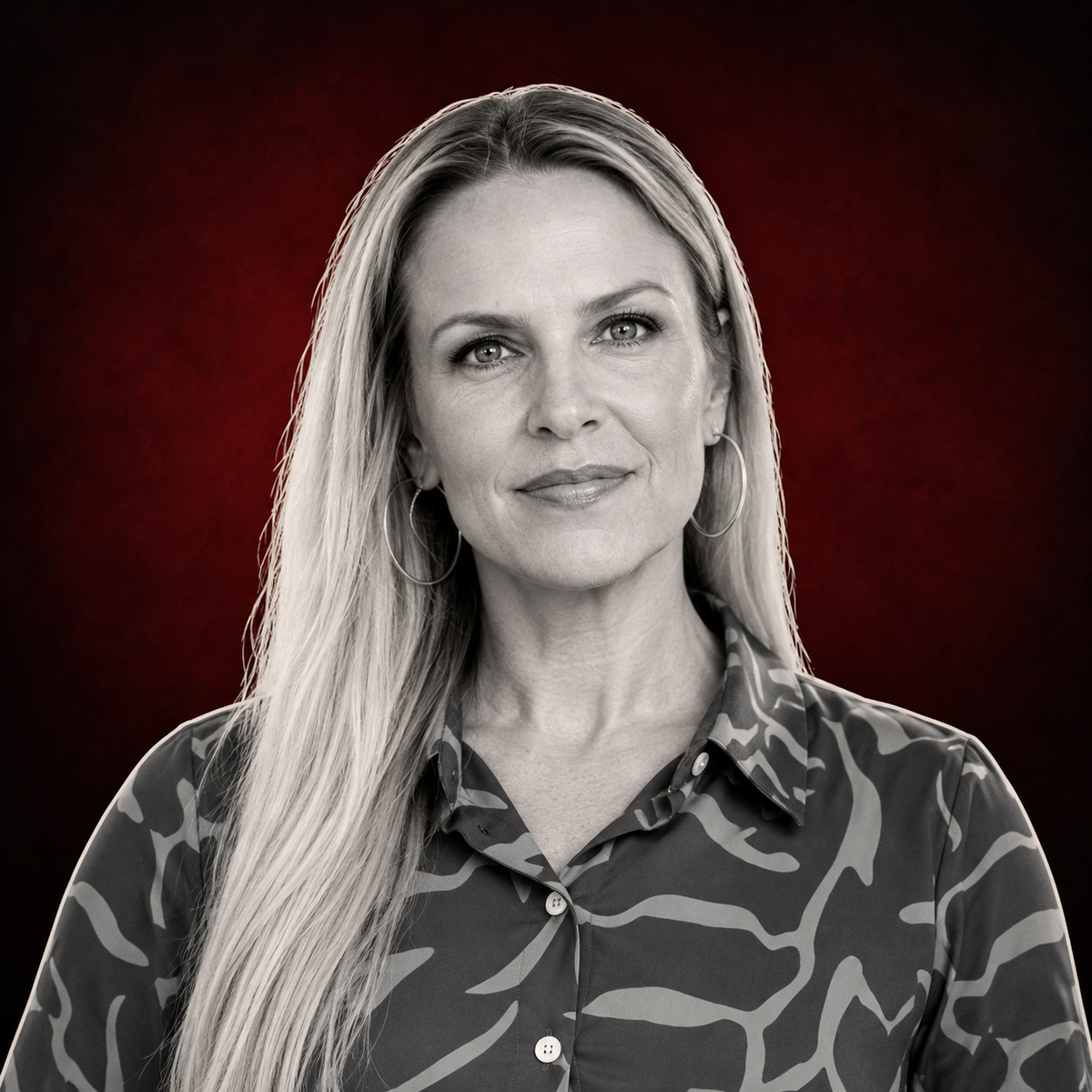
Erika Rothenberger
Erika Rothenberger is a keynote speaker, media personality, and thought leader on audacity, resilience, and bold leadership based in the Philadelphia area. She is the author of Audacious Expansion, which introduces her BOLD method for building resiliency, and she speaks on topics including The Audacity That Builds You and meaningful connections, with engagements ranging from the TEDx stage to intimate gatherings. Before her speaking career, she spent about 20 years in construction as a civil engineer with an MBA, by her account. After surviving a violent attack in 2022, she began advocating for changes to how Pennsylvania law treats stranger strangulation. Erika hosts the Audacious Women's Summit, which she says held its first sold-out event in 2025, and the podcast Grit, Grace & Glitz. She was named one of Philadelphia Style's 2025 Dynamic Women.