
Izabela Hamilton, CEO and founder of the organic Amazon growth agency RankBell, has helped generate close to $2 billion in organic sales for her clients over the last decade without paid ads. In this conversation with host Eric Berman, Izabela explains why most brands skip the most basic step of all, understanding who their shoppers are, and how RankBell uses a network of thousands of real shoppers across the United States to test listings, images, packaging, and keywords. She walks through sample sizes, geographic targeting, and why the same data-driven approach works on Walmart, Etsy, TikTok, and Chewy. Izabela then shares her personal story: growing up under communism in Romania, finding a note on a lamp post that asked if she wanted to go to America, and arriving at 20 with $100 and no English. She closes with lessons on mindset, discipline, identity, and why she values the Speakeasy community.
In this episode, you'll discover:
- Why Izabela says understanding your avatar comes before spending more on sponsored ads, and why so many Amazon brands skip it
- How RankBell uses 200 to 500 real shoppers from targeted states to uncover listing, packaging, and product problems a brand cannot see
- How shopper searches and orders help the Amazon algorithm tie a product to a keyword and lift it in organic rank
- Why the same feedback process works on Walmart, Etsy, TikTok, Chewy, and with a brand's own email list
- How Izabela went from a lamp-post note in Romania and $140 a week as an au pair to building a business, and why she says mindset is harder than making money
Episode Summary
Izabela Hamilton founded RankBell more than 10 years ago and has worked with Amazon for 12 years. Eric Berman introduces her as his go-to person whenever he hears the word Amazon, noting that she has helped clients generate close to $2 billion in organic sales without paid ads. Izabela says she chose Amazon because she wanted to put her energy into the biggest platform she could find, and that her formula for success has been simple: start something you are passionate about and never quit, through all the ups, downs, and stress the platform brings.
Her core message is a mindset shift. Izabela argues that brands are so conditioned by ad culture that they rarely stop to ask what their buyers actually want. Many sellers watch a YouTube video, buy into the laptop lifestyle, put a product from China on Amazon, and assume it will sell because it is the best. Her first step is always to identify the avatar. She suggests gathering honest feedback from 10 or 20 people, using online feedback platforms, and running that feedback through AI to learn what in a listing attracts shoppers, what deters them, and how to create a stronger hero image, since most shoppers decide what to buy within 10 to 15 seconds.
RankBell's distinguishing asset is a network of thousands of shoppers across the United States. For a given brand, Izabela's team selects the right avatar, often 200 to 500 testers, and targets specific states, so a winter product is tested by shoppers in Chicago rather than California. Testers search the way they normally would, review competitors, receive the product, and report details like misspelled words or packaging that arrives smashed. About a month later, the team checks back on results. Izabela stresses that this is not connected to Amazon reviews, that everything stays within Amazon's terms of service, and that shopper searches and orders also help the algorithm tie a product to its keywords.
Izabela describes RankBell as a data collection agency rather than a ranking agency, and says the same process has been used on Walmart, Etsy, TikTok, and Chewy. She warns against me-too products, pointing to search results where 50 wooden spoon brands use the same image, and reminds sellers that customers want to feel seen and listened to. She also encourages brands with email lists to stop sending only buy-my-product messages and instead invite subscribers into test groups, offering to help anyone with a large list figure it out.
The conversation then turns to her story. Izabela grew up under communism in Romania, sometimes without food, heat, or water, and spent years envisioning a life in America. Walking home from school in the snow, she found a note on a lamp post asking if she wanted to go to America. The au pair program cost $1,000, about a year's salary in Romania, so her father borrowed from family and friends and sent her with an extra $100. She arrived at 20 without English, spent about three months as a nanny in Lincoln, Massachusetts, earned $140 a week, and later moved to San Diego, where seeing a friend earn $2,000 a month pushed her to keep breaking her own money ceilings.
Izabela says the hardest part of success is not making money but training your mindset and letting go of identities tied to a business, especially when Amazon could shut down an account tomorrow. She describes discipline as the path to self-love and confidence, and encourages listeners to know their own avatar as well as their customers'. Her passion project, the Dose of Wealth YouTube channel, focuses on helping people rebuild their relationship with money. She closes by describing Speakeasy as a room that feels like family, where she expects to make friends for life.
Big Ideas Discussed
Know Your Avatar Before You Buy More Ads
Izabela's central argument is that most brands try to solve every problem with more spending on sponsored ads, influencers, and attention, without stopping to ask what their buyers actually want. She says knowing your avatar sounds obvious to experienced marketers, yet in her conversations with brands she finds that many sellers have never done it. They launch a product because they heard it makes money, then assume it will sell because they believe it is the best.
Her alternative starts small. Give the product to 10 or 20 people and ask for honest feedback, use online platforms to reach people who have no reason to be polite, and then run the results through AI to see what in the listing pulls shoppers in and what pushes them away. Because shoppers usually decide within 10 to 15 seconds of searching, she says the hero image, the description, and the first impression deserve real testing rather than tactics copied from a YouTube video.
Real Shoppers Reveal What Brands Cannot See
RankBell's network of thousands of shoppers lets Izabela test a product with a carefully chosen group, usually 200 to 500 people from the states that best match the avatar. Those shoppers search for the product, compare it with competitors, receive it, and report what they notice: a misspelled word, a listing that does not explain how well a neck cream works, or a bag that lets the product arrive smashed. About a month later, the same group shares what results they have seen.
Izabela says the findings can be serious enough that a brand pauses a listing to redo its work, and in one case a brand pulled its whole inventory because every other bottle was broken. Catching those problems early matters, she explains, because two, three, or five bad reviews can finish a product. She is clear that RankBell does not touch Amazon reviews and keeps everything within Amazon's terms of service.
Customers Want to Feel Seen, Not Sold To
Izabela points out that everyone is a consumer, just as everyone stuck in traffic is part of the traffic. When a shopper types in a term like wooden spoon and sees 50 brands with the same image, those me-too products give buyers no reason to choose one over another. She says customers want to be aligned with a brand's vision and to feel seen and listened to, the same way any person does.
That can show up in an image that speaks to the buyer, a listing that matches exactly what they were looking for, or small touches like careful packaging and a thank-you note. Eric's takeaway is to get egos out of the way and talk to customers. Izabela adds that many brands already have email lists but use them only to say buy my product, when they could invite subscribers into a test group and learn from them directly.
Mindset Is Harder Than Making Money
Izabela believes most people have the order reversed: they think the money will come first and the confidence will follow. In her experience, the slow part is self-development, integrating lessons until they make sense in your body, not just in a book. Growing up under communism, she had to unlearn the habit of keeping her head down and saying yes, and later learn boundaries and how to value her time.
She also warns against tying identity to a business. If she were no longer the RankBell founder, she says, she would still be the same person, and an Amazon seller whose account is shut down could create 100 more brands. She once saw discipline as the opposite of freedom, but now says it is what built her self-love and confidence. Her challenge to listeners is to learn their own avatar, peeling back the masks people wear, so they can show up as who they are at their core.
Questions We Answer in This Episode
What is RankBell?
RankBell is the organic Amazon growth agency founded by Izabela Hamilton more than 10 years ago. Eric Berman says it has helped clients generate close to $2 billion in organic sales without paid ads. Izabela describes it as a data collection agency that uses a network of thousands of real shoppers to show brands what customers want.
How does Izabela Hamilton help brands grow on Amazon without relying on ads?
Izabela Hamilton starts by identifying a brand's avatar, then has real shoppers search for the product, compare competitors, and report what attracts or deters them. Brands use that feedback to improve listings, images, and packaging. She adds that shopper searches and orders also help the Amazon algorithm connect a product to its keywords.
How many shoppers does a brand need for useful product feedback?
Izabela Hamilton says 200 to 500 shoppers is usually a good sample size for a brand to understand its product. RankBell targets states that match the product, so a winter item might be tested by shoppers in Chicago rather than California. The same group is contacted about a month later to share results.
Does RankBell's shopper feedback involve Amazon reviews?
No. Izabela Hamilton says RankBell does not touch Amazon reviews and that everything it does stays within Amazon's terms of service. The shopper feedback is gathered privately and delivered to the brand in a detailed document, so the brand can fix problems before bad reviews appear.
Does this customer feedback approach work outside of Amazon?
Yes. Izabela Hamilton says RankBell has used the same process on Walmart, Etsy, TikTok, and Chewy, because data is data on any platform. She also recommends that brands use their own email lists to invite customers into test groups instead of only sending sales messages.
How did Izabela Hamilton come to America?
Izabela Hamilton grew up under communism in Romania and found a note on a lamp post asking if she wanted to go to America. The au pair program cost $1,000, about a year's salary in Romania, so her father borrowed the money and sent her with an extra $100. She arrived at 20 without speaking English.
Why does Izabela Hamilton say mindset matters more than money?
Izabela Hamilton says most people think money comes first and confidence follows, but she believes the reverse is true. The hard work is self-development and letting go of an identity tied to a business, since a brand can disappear overnight. She says discipline is what built her self-love and confidence.
Full Episode Transcript
Read the Full Episode Transcript
Welcome and Meet the Founder of RankBell
Eric Berman: Welcome to Inside the Speakeasy Podcast, the private room where today's sharpest founders, innovators and renegade thinkers come to trade the ideas that move industries. This show is brought to you by HighLevel, the AI driven business operating system trusted by over 2 million businesses to help automate, scale and create real leverage. HighLevel isn't just a tool, it's the engine behind some of the most agile and high performing teams on the planet. If you're ready to streamline everything, amplify your reach and actually build a business that works for you, you're in the right place. Visit www.gohighlevel.com/Speakeasy-mastermind-promo to get an exclusive 30 day trial for being a listener of the Inside the Speakeasy Podcast. Enjoy the show. Over the last decade, she has helped generate close to $2 billion in organic sales for her clients without any paid ads. I am so stoked to have Inside the Speakeasy Podcast. Izabela Hamilton, the CEO and founder of RankBell, which is the organic Amazon growth agency trusted by some of the fastest growing brands in the world. She is my go to anytime I hear the word Amazon. Who do you know who can help me grow and actually commerce and even more than that, just an all around and amazing. One of my new best friends. I'm so excited to have you today. Izabela Hamilton, AKA Izzy. Welcome to Inside the Speakeasy Podcast.
Izabela Hamilton: Thank you, thank you, thank you. That's a beautiful introduction, Eric. And I'm glad to know I'm one of your best friends because I've been telling everyone that you're one of my favorite humans. So this is very good. I like this, I like this. [unclear], Eric, any day, all day.
Eric Berman: I mean, you're such an amazing soul and we're gonna actually talk about that because you have such an infectious personality, such a great energy about you and somebody who's done as well. You know, you are so humble and you're so willing and open and sharing and you talk a lot about, you know, we're going to talk about something you call Dose of Wealth, which is other cool stuff you're doing, which is helping people even rebuild their relationships with wealth and money. Some of the cool things you've done, I want to get to that in a little bit and there's so much we could dig into. Oh my gosh. I mean, your story, if you get everybody, if you can hear your accent, you have this beautiful Romanian accent. You're from Romania, right?
Izabela Hamilton: That's right, that's right. I Love it.
Eric Berman: I love it. So. So, I mean, wow, talk about the American dream, right? You come out here from Romania, you do some incredible things in commerce. Let's talk about. We're going to kind of jump around a little bit. I mean, first and foremost, anybody listening right now that's doing anything in the commerce world, either you or maybe you have somebody who, you know, is building out there. You have such an incredible ability to kind of get. I mean, like, who the hell doesn't want to be in the top of the. Of Amazon? That's the holy grail. Like, I want to get on page one. Just reach out to Izzy, and she's going to show you the way. Let's talk about RankBell. Like, what, how did you get here? What did you build? What did you find out through this world?
Why RankBell Starts With What Shoppers Actually Want
Izabela Hamilton: Oh, my God. I mean, we would have to go really, really far back. But the whole idea about RankBell is really, how do we support brands that are, you know, not the only ones that are struggling because obviously those need most of the help. But brands in general, you know, we are so brainwashed by the culture that we live in right now, where everything is about ads, everything is about how do we do more? And is barely ever Eric, about can we step back and actually understand what humans actually want? Like, we capitalize everything so much that we're like, how do we spend more in ads? How do we spend more to grab their attention? How do we hire the best influencer to, you know, show her beautiful self to sell more products? But do we ever stop and say, what do our actual buyers want? Because it's really just a simple mind shift going from what do I want as far as what can I get from people to what do people want? And when I realized that, I mean, my personality is. And you know me, I think pretty well by now, it's all about how do I make other people see? And so when. When you have that ability to make people seen that, that came so easy to me when I stepped into this Amazon expert role that it just took everything that I am and built a moat around it, built this ecosystem around it that I could honestly apply to anything besides just Amazon. And I really do. But when it came to Amazon, first of all, you know, I'm an entrepreneur.
Eric Berman: For those listening. If you don't have something for Amazon, you know, what is Izzy's going to talk about today can apply across multiple channels. So, you know, definitely keep listening, don't tune out, because, well, I have nothing to do with Amazon. And we're going to learn that plus so many other things. So keep going. Sorry.
Izabela Hamilton: Yeah, no, you're right. Thank you for mentioning that. Because it's not just Amazon. It can be in your life, it can be in your relationships, it can be in your, you know, partners, collaborations, ventures. It can be other platforms. Walmart, TikTok. How do we apply this one simple principle to create the lives of others better, and in the process, create yourself better. Create a better version of yourself. So I built RankBell Over 10 years ago, Eric, and how did Amazon come to me? It was more so, you know, as I said, I'm an entrepreneur at heart, always been, and I really wanted to see who's the biggest and the baddest. And honestly, I mean, is there anyone bigger than Amazon when it comes to, you know, such a powerful platform? So I said, if I were to put my energy into something, why not put it into something that's actually going to affect, you know, thousands and thousands of people? And of course, even in my wildest imaginations, I couldn't have thought of, you know, creating $2 billion. Even sometimes for me, when I hear an introduction, you know, for a podcast or when I'm speaking on stage, I'm always like, who are they talking about? It takes me a second to, like, come back into myself. Thank you. And that's the power of actually, you know, making that decision, Eric, Because a lot of people think, you know, how does one get successful at anything? I always say it's making that decision. I am ready to step into this role and then never quit, because if you never quit, you will eventually get successful. And so for me, the formula was start something that I'm passionate about and not quitting. And it's been 12 years now, and, you know, with Amazon, you go up and down and there's so much stress and there's so much around it, and I just never quit. And the more I don't quit, the better I get, because what else is there to do?
Eric Berman: Love it. I love it. I love that. I mean, that's such a beautiful mindset for coming in again, somebody coming from overseas and just digging in with the right attitude. I want to circle back to that a minute, but I want to get a little bit more into the tactics that if you're willing to share what you're able to share today about, obviously you don't want to give the entire secret formula away for what, you know, what you're doing, but just in a general sense, because it's definitely out of the box from sure Just put your product up on Amazon or Commerce and what are you doing that's a little bit special that taps into the mindset that you're talking about with the end customer.
Know Your Avatar Before You Spend on Ads
Izabela Hamilton: Yeah. And so I'm not the kind of person to gatekeep ever anything. I'm an open book. You can come to me and I'll literally give you the whole formula. So when it comes to Amazon, it's again just making sure that you see who your shoppers are instead of again going in and spending more on sponsored ads, which is called PPC. If you are an Amazon brand, then you know what I'm talking about and is how do I step back a little bit and try to first of all understand who my avatar is. This is number one. And even though I know for me and you it's normal. Right. You want to understand who your avatar is. But as I speak to more and more brands, Eric, I understand that this simple concept is actually not something many people understand. Right. What they do is, you know, maybe they watch a YouTube video, maybe they see their favorite influencer and they get sold onto this idea of a laptop lifestyle. Right. Well, I can, I can get a product from China, I can put it on Amazon and it's going to sell because my product is the best. Maybe your product is the best. However, if you don't have people that actually validate that for you, then you really don't know. So on Amazon again is just finding who your avatar is. And there's so many ways for you to do this. One, you can create a survey where you can actually give your product to 10, 20 of your friends and say, hey, I would love your actual real feedback, honest opinion about this product that I'm selling. And hopefully they'll be honest enough with you to say, okay, this is what works, this is what doesn't. Right? And you want to do that across multiple channels. One way you can do it online, I mean, there's many different platforms out there that tell you like put your product out there and you gonna get the specific feedback. Okay, this product works. It doesn't like people that are not connected to you in a way that they will give you that specific feedback. Now once you have that, take that information. And especially with AI right now, thank God for AI. You can get this information and put it through an AI and that will tell you exactly what do I need to do to change my listing. What in my listing attracts shoppers? What in my listing deter shoppers from buying my product. And I mean, there's so many different questions you can ask yourself and you can ask again those around you that it will now allow you to. One, create the best image, your hero image, on your listing. Now create the listing that actually pulls shoppers in. Because me and you, we, everyone listening to this, we all do this. We go to Amazon, we type in a certain keyword, and then usually within 10, 15 seconds, you already made up your mind what you're going to buy. That adding image pulled you in, you clicked on it, you read the description quickly, you scroll down to reviews, you're like, okay, 4.5. It works. Then you're going to buy the product. So it's essential, if not crucial, to grab that attention as soon as possible. Just because you saw a YouTube video that tells you, hey, this image converts, you have to test it yourself because there's hundreds, thousands of products that look similar to yours. What is that one specific thing out of your listing, out of your product that actually attract somebody in. So that's what I do. With RankBell, we really nail down the human behavior, the human psychology. We have a network of thousands of shoppers throughout United States that I can tap in at any time that I need where one, I know what the avatar is for my brand. Now, I know the brand needs about, let's say 500 testers. I, I have them go in and do all these micro tasks that. And they're giving me all this juicy information. Right. Oh, did you notice that this word is misspelled? No, I didn't. Right. Because as a brand, you just, you go through the same things and you don't always see the smallest things. Hey, when your product arrived, did you know that the box, it's not really a box, it's like a bag. So your product comes smashed. No, I didn't know this. Right. We think we have all the system down, but we really don't. We need this information. And that's really what RankBell is all about, is like identifying this human behavior and relaying it to the brand in a way that they can use this information, therefore translating it into obviously more orders, obviously showing up in Rank organically. So it's not all about sponsored ads, even though they're good, too.
Inside RankBell's Network of Real Shoppers
Eric Berman: Okay, so you said a lot there, and that's. That was amazing. So thank you for all that because I think you had a lot of little nuggets baked in. I'm going to kind of pull back on one of them because when you and I have talked a couple times to me, it was one of the things that really stood out as far as what's a little bit. All this is great stuff. But you talked about this network you have.
Izabela Hamilton: Yeah.
Eric Berman: And to me, there's, there's some magic sauce on. What's taken you a while to get to where you're at is building this huge community of shoppers, which is part of what helps get you ranked. Because, yes, you could do the market research and yes, okay, people told us why our product is good and you get the right language down. But isn't there some magic sauce you have through this network you've built out?
Izabela Hamilton: Yes. I mean, once you have this information and you have these shoppers come onto the platform again, they're the ones that are going to tell you exactly what works. Let's say you have a neck cream and five of your competitors are selling the same product. You can actually have these shoppers, these taskers, go to every single one of your competitors and tell you exactly what they're doing different than is yours. And once you have this information again, you can make your listing better. You can create different ways of attracting these shoppers. And also by having these orders coming in from Amazon that will also help your rank go higher in search terms. Right. So every single keyword is, is correlated to your product. So if you have in your listing neck cream. Every time a shopper types this into Amazon neck cream, now the algorithm starts understanding that your neck cream is tied to this specific keyword. So eventually, by doing this over and over again, these two rise out together. So now the algorithm understands that every time somebody types in neck cream, the then Eric's brand will show up first.
Eric Berman: Do you kind of give your network of shoppers the keywords you want them to all put in there? Is that sort of the idea here?
Izabela Hamilton: So, yes, you can do that. There's so many different strategies. First of all, you want the shopper to tell you what they would do. Right. Because again, there's so many things that you can hear online and a lot of them are good too. But you want the real shoppers to eventually come into your listing. So what I would do, I would say this is the product that. Tell me, what would you search for? Tell me, what color would you prefer this to be in? Tell me, what consistency do you expect when you hear the word neck cream? Right. So there's all these different questions that we don't even think about. And once you have them, then you have them go through the actual process. Eric, like, okay, well type that in as if you were to buy this product yourself. And they go through the motions. They go through, you know, your competitors. They track how they're doing their listings, what their reviews say, and how does it compare to yours. And once they go through this process, they come back and they fill out this massive document that tells us, okay, I found Eric's product on page five. I think it should be green instead of white. This listing does not tell me how good this neck cream works. Maybe add that in. Right? So you are taking all this data from your real shopper and again, optimizing everything about your brand and your listing. And that may require sometimes, you know, pausing the listing completely while you redo all this work. Sometimes we had cases where a brand had to pull their whole inventory because every other bottle was broken. So you don't want to get to a point where you're going to start getting bad reviews in, because once you get two, three, five bad reviews, you're done. You're completely done.
How Many Testers You Need and Why Location Matters
Eric Berman: So I'm a new. Let's just say I'm a new brand and I'm in a lot and I want to work with you. How many people in this, like, it seems like an amazing sort of, like, I mean, I love what you're doing and we're going to talk about how I can apply this outside of Amazon, because I totally get it. But, like, how many people are sort of my little shopper network. Do you, like, is there like a minimum? Like, obviously sending it to two people isn't going to do much. So, like, how many people are you sending out to to get the feedback that reviews that you're talking about?
Izabela Hamilton: So usually we notice that anywhere between 200 to, let's say, 500, usually that's a good sample size for a brand to truly get to the core of understanding everything there is to know about their product. Because we're not just targeting, let's say, California. We're really going all through all the states in United States, right? So let's say if it's a, if it's a winter product, you know, right now for California wouldn't really apply because it's 80 degrees this week. Right. But for somebody in Chicago, we want that sample size of people from there. Like, why would they buy this scarf? Or why would they buy this, I don't know, sled oil? I don't know. I don't even want to think of all the snow products. But you see what I'm saying? So it's not only about, okay, I just need anybody to tell me anything about the product. But Are we actually choosing the right avatar? Are we targeting those states specifically that can give me the best accurate information on this product? So nothing we do here is robot like, everything is organic. We speak to these shoppers personally, Eric. We have account executives that talk, is.
Eric Berman: It the same shop or group that you have for various products or do you go out there and kind of farm a new group of 200 to 500 for every new client?
Izabela Hamilton: We have thousands of people. So not everybody's going to be interested in, again, a neck cream. Not everybody's going to be interested in sled bells. Not everybody's going to be interested in keto supplements. Not everybody has a cat. Not everybody has a dog. So again, first we identify who the avatar is, which even this, this simple thing helps brands because a lot of them, again, they don't know who their avatar is. They're like, well, I just launched this keto supplement because I just heard it makes a lot of money. And by the way, supplements are awesome on Amazon, but that's not enough. Who is my avatar? Okay, women between the age of 30 to 50, let's say. Okay, now we're getting closer. Okay, who are they? Where do they work? Are they just moms sitting at home? Are they busy entrepreneurs? Once we narrow this down, that's when we tap into our network and say, okay, we would like to test this product with 200 entrepreneurs from this area of the country that can help us identify some issues and, or some benefits that this product gave them. So we don't just have them go through the first phase where. Which is again, the listing, the reviews, how did this look? How was receiving the product? But the end of this process, about a month in, we go to the same sample of shoppers and we ask them specific information. Now, you tested the neck cream. What have you seen in four weeks? Oh, I saw this. I didn't like. It was too runny. It was [unclear], whatever the case may be. And again, this is not to be confused with Amazon reviews. We don't touch that. This is not part of what we offer. Everything we do is within the Amazon's terms of service. So we want to make sure that we gather this information and we give it to the brand directly and say, hey, Sally from Chicago said that your cream did this, this person here did this. So you get like a huge document that gives you answers from 500 people that now you can, you can. There's nothing like, like it out there for sure.
Eric Berman: It's funny because you know, everything you're saying Fundamentally just makes. So it's such good sense. But I see why nobody really does it the right way. I mean, certainly it's not easy putting all these pieces together. You learned the hard way. I mean a. Of course, yeah. I could see a lot of people do shortcut or they just go off of instincts and what they think their avatar is and they're not doing a proper exercise. I mean, I see that a lot of time in my company, that's a given. But I love, you know, the big takeaway for me and others. Lovely listening here and is just whatever product, you know, whether you're in Amazon. I was going to ask you outside of Amazon too, if you do this, but I think, you know, any product you go to, I mean, it sounds like you have this amazing machinery to have this network of thousands of people. Obviously you pull from. You pull the right ones based on the ICP of what they are, the avatar. And then you're saying, okay, let's get the feedback on this granular micro feedback, you know, done enough times is going to allow you to ultimately is part of the formula that works. And it's a lot of it is just little things that we're all so antsy to say, I just did it, let's launch, let's go, let's run ads. I mean, because that's the, that's the shortcut, right? Run an ad, see the test, refine, tweak. What you're saying is, yeah, let's refine, tweak without doing ads. Let's actually talk to the customers, get the feedback and then it's going to. Everything else will sort of work itself. You're going to naturally start to evolve. So I threw a question in there as I was recapping because that's brilliant. And by the way, I mean, I couldn't believe how, you know, and this is not a pitch for you, but I mean, just selfishly because I love you and I think what you do is amazing. I mean, I blew my mind on how affordable actually working with you really is for this. So again, if you're listening to this, you got to reach out to Izzy.
Taking the Method Beyond Amazon and Avoiding Me-Too Products
Eric Berman: But outside of Amazon, have you tested this out for just like, okay, we don't have an Amazon play, we have something else. We're just going direct to consumer. Does that same process work?
Izabela Hamilton: The same process works because we are a data collection agency. You know, we're not really, let's call it a ranking agency. Even though a lot of people come to us because they need this extra boost. So we can do this. We've done this on Walmart, we've done this on Etsy, we've done it on TikTok, we've done it on Walmart. Chewy, really Any platform that brands sell because information is information, data is data. And just like it is hard to invite 10 people to come to dinner to your house, two are going to forget what day was, three are going to come at the wrong time. Right. It's very hard to get a focus group to, to do massive tasks, you know, at scale. So when you have this ability to have an army to do specific tasks for you, it's really powerful and everybody can do this. And I'm not here pitching you to use my service even though I humbly thank you Eric for that shout out. But just to bring people awareness around the fact that if you're at your point with your brand where you're just so frustrated, where nothing is working, just step back and start from the beginning. Like have I ever listened to my customers? Do I know what they want or am I just copying the other competitors products? I'm just copying their image. And you'll see that a lot. And some of you listening are going to say, oh my God, it's true. You type in wooden spoon and then you have 50 brands that they all have the same exact image. And we call those. Me too product. Consumers are smart. We are it, we are the consumers. Just like when you're in traffic and you're like oh it's traffic. No, we are the traffic. We are the consumers ourselves. So what do I want? Would I want here? Would I want a brand specifically? Speak to me. Because we all spend like you don't have to tell us to spend. We spend the moment we wake up, we pay for something. So customers, they just want to be aligned with your vision and they want to feel seen and they want to feel listened to just like you and I do. And if you can deliver that and whether it's through that image that speaks beautifully to them, whether it's through that listing that speaks to their heart, like oh my God, this is exactly what I'm looking for. Then if you want to go a step forward, maybe you package it nicely, maybe you send a little note that says thank you, I appreciate you. It's just those little tiny things that people have forgotten in this age of like everything is fast AI this, oh, we don't care about that person, we don't care about them. They just start caring because you are that person. We all are. That person and we just want to be loved.
Eric Berman: I love it. So, I mean, again, my takeaway is if I was bootstrapping or building my business. I mean, it's just like, again, fundamentals, you know, get our egos out of the way. We think we know what the hell everybody wants. We don't. Go talk to your customers. There's many ways. Right now you can go find tools to build up your own community of people to test things out and testers out there. I know there's probably lots of ways I could probably hop on GPT in it in two seconds and find tools.
Izabela Hamilton: I have email lists, Eric, they have email lists and they're not utilizing it the right way. They're just sending messages. Hey, buy my product. Like, no, how about, you're right.
Eric Berman: How about pull a group together and say, hey, would you like to be part of this group to do this? And we'll send you this in exchange for.
Izabela Hamilton: And I can help people with that. Like, if, you know, anybody's listening to this and they're like, I have a list of 100,000 people. Like, help me figure it out. Like, I don't mind. Like, I will help you figure it out.
Dose of Wealth and Rebuilding a Relationship With Money
Eric Berman: I love it. That's a good transition to what I want to talk about next. And then I want to get back to your incredible story and journey. You know, you talked about, you know, this platform and YouTube channel where you're teaching entrepreneurs how to rebuild their relationship with money, expand their identity, and create wealth through power, mindset and self mastery. I mean, if anybody gets the privilege of meeting you, you have such a big heart. You know, there's no ego behind the wealth and what you've done. And you're such a giver and, you know, how do we. Let's dig a little bit into that. So I guess maybe what I want to take a step back is what have you seen out there as something maybe entrepreneurs that start to attract a lot of wealth have some success. What is the thing that you're seeing that you felt kind of icky and said, I don't want to be that I want to go in this way. This is where I want to start focusing on how to rebuild a relationship with money. What do you mean by that and what are you different from? What were you frustrated with or maybe bothered by others that have achieved wealth that you're trying to now maybe teach people a better way?
Izabela Hamilton: Yeah, so this is a passion, purpose project. You know, it hasn't evolved into anything beyond that. It's just me really giving Back I moved to US when I was 20 with a hundred dollars. I had no money. I had. I didn't speak any English. And really, I had to learn how to walk again, Eric, really, truly, in a new country, a new continent, I. New culture. I mean, everything that you can possibly think of, I went through.
From Communism in Romania to a Note on a Lamp Post
Eric Berman: So you're sitting In Romania, you're 20 years old. First of all, how does this even happen? How do you all of a sudden say, hey, we're going to America. And like, are you bringing family? Like, what's going on here?
Izabela Hamilton: So, because I grew up in communism and there were times where we had no food, we had no heat, we had no water, we had no. I mean, I lived through really extreme poverty. And I know there's so many other people that had it worse than me. And, you know, this is not a competition in any way, but, you know, just growing up with that mindset and within those confines of that this is what your life is. There is nothing better for you out there than this. So what I started doing, which was a simple thing that I started, it was almost a practice that I was doing, was envisioning a better future for myself, envisioning another reality that I didn't know if it was ever going to come true. So I'm going to like, shorten this because I don't want to go too woo on you. But by doing this every single day, Eric, I would just spend. Picture that I live in America. Why America? America was portrayed to us as this magical place that all your dreams come true, that everything is easy, people are friendly. Or maybe was my idea that I created into my head. So every single day I had this vision. And then one day came true. I was walking home from school, Eric. And you know, it was snowing and it was cold. And I remember like the snow on my face, literally as it, like it just happened. And I see this lamp post and there's a little note on it. And as I get closer to it, I start reading it and it says, do you want to go to America? Call this number.
Eric Berman: No.
Izabela Hamilton: Yes. And I looked around. It was like one of those things, like, am I being punked right now? And I took that number and I ran home. I ran home, Eric. And I show it to my dad, and I'm like, dad, my dream, my American dream. So he calls the number and it's a real company. It's a city away from us. So it's about an hour distance. We schedule an appointment, we go there. Everything is legit. The only problem Was the program cost $1,000. Now, that's a year salary for somebody in Romania. There's no way to have that money. It's like, I got so excited, and then all my dreams came crashing down because I'm like, how am I going to get $1,000? So my dad started borrowing money from, like, all the family, the friends, and got a hundred dollars extra so he can send me with that to us and basically to start a new life. And I just packed all the clothes that I had, which was, you know, a small bag, and flew to another country. And it was the most painful yet the most transformative time in my life because it, you know, stepping into that unknown and into all the fears and, you know, I never left my family. I was still sleeping in with my sister in one bed, you know.
Eric Berman: You brought your sister with you? How'd that work?
Izabela Hamilton: No, nobody, Just me. So, like, my. Everyone stayed home and it just. I wasn't used to ever leaving my family. And now here I am going, turn. Leaving.
Eric Berman: I mean. I mean, first of all, the amazingness of your family to support you on that, when it was just like, oh, my gosh, my daughter, sending her out like. Like there. But I. I guess your dad knew in your heart he had to let you go and try it.
Izabela Hamilton: I can't imagine the pain that they felt, honestly. I mean, I have a child now. I don't. I could never.
Eric Berman: I know. Can you imagine? I'm thinking about that like, your kid wants to just leave the. I mean, that's so scary. And then you said you went to a different country, but it wasn't America. Where'd you go first?
Izabela Hamilton: No, it was. It was America. It was a different country for me. Oh, right, right.
Eric Berman: What part of America was.
Arriving in America and Breaking Money Ceilings
Izabela Hamilton: So it was an au pair program, which is a nanny program, and they sent me to Lincoln, Massachusetts, and that lasted about three months, and it didn't really work out. I mean, we would need way more than the time we have right now. I wish I could tell you, but I had to learn some big lessons there, which I never had, like boundaries, like respecting my time all again. When I say I had to learn how to walk and live again, I meant it with every single thing. You know, growing up in communism, you don't have the ability, and as a woman on top of that, to say, oh, I don't like this, or I don't want this. You keep your head down and you say yes, and you go do the thing. And so I had to relearn all these things and all these people around me that were so free, but yet so different than me and the culture and, you know, because you asked me about wealth, and it's important to know that I didn't have wealth. I didn't even understand wealth. I didn't even know you could potentially have anything beyond what you go to work for, which is selling your time for money. You know, whatever that was. You know, in Romania, Maybe it was 50 cents an hour. Maybe in America's 20, 30, $50 an hour. But the concept is the same. You are selling your time for money. So I had to go from no money to selling my time for money, which was $140 a week, which I thought I was rich, Eric. I thought I had made it, right? Going from, you know, $1,000 of salary in Romania per year to, you know, doing four or five hundred a month, I was like, oh, my God, this is happened. So. But then to keep breaking the ceiling, Eric, of money, right? Seeing my best friend who lived across the street from me here once I moved to San Diego, she was making $2,000 a month. And I looked at her, and I was like, what does it feel like to be so rich? And she's like, girl, let me tell you, you can go to this store and you can buy any clothes you want. And, you know, like, girls were 20 years old, right? And I just started, you know, and I think maybe that is my secret, Eric. You know, the ability to put myself into that visionary mindset of, like, I wonder what that would feel like for me. And I think that's what kind of broke all these barriers that I had. It was that curiosity of, like, wow, if Gab can do it, if Gabby can have 2000, then I can do it. And I got it. And then it's like, oh, my God, you know, all these people are walking with their little briefcases, walking into the tall buildings. What are they doing? Oh, they're doing, you know, 50,000 a year. Oh, my God. That's amazing. I want to see what that's like, so.
Why the Right Room Expands What You Believe Is Possible
Izabela Hamilton: Which comes back to Speakeasy in a way, and, you know, to any other masterminds out there. It's like when you put yourself in a room with others that are smarter than you, that have achieved more than you, it rubs off on you in a way that's so much more powerful than you could ever think, because it gives you that ability to, one dream bigger. Like, oh, my God, Eric did it. So can I, right? Because what you start understanding when you understand human behavior is that we all just want to be, like, we all want to be the same and we all want to create it in our nature. And it's like, wow, Eric did it. That gives me the possibility that, oh, maybe I can do it right? So every single time I put myself in situations and environments that allow me to expand my mind and expand my potential. And when it comes to wealth, it's really all that. Like I look at all this, you know, I look at Nvidia founder and I look at Elon Musk and you know, maybe my mindset is not there yet, but I think, you know, just by observing what they're doing, I do wonder sometimes, like, how are they better than me? And again, not in a mean way. It's very important to understand the difference because you don't want to hate on these people, want to really appreciate them. Like, I wonder, like, what makes me different than Elon Musk? Or more importantly, what makes me alike, right? When you understand that, again, it opens up a portal, let's call it a magical portal that now allows you to dream bigger. And if you dream bigger, then opportunities aligns when again you find yourself in the right room and, you know, maybe Eric knows Elon Musk. I don't know. You have a huge contact list.
Eric Berman: Well, I would say one or two degrees away from Elon, but that's a different conversation. Let me just kind of stop there because this is beautiful. But I think, you know, I need to give you some credit too. I think you're saying that and it takes a couple of things, but now that I understand where you came from, you know, you as that young 20 year old self grabbing that note and having the courage, you know, I think there's a little bit of something inside of you is you have courage, you don't have fear, you dream big. And ultimately when you visualize and see the next level is possible, I think you have this unshakable confidence to say, well, they did it. There's no reason why at all why I can't do it. So what is it going to take for me to get there? And I think having that ability, like I was thinking of the analogy of the whole four minute mile that they all talk about like, you know, Bannister, right and the, you know, you know, nobody thought it could be done. Then he did it and everybody else did it, right? So it's like, you know, how do you watch some people, you know, Gabby made $2,000 and all right, well, she could do it, I could do it.
Izabela Hamilton: Boom.
Eric Berman: I'm going to go do it. So I think there's a lot of that in there. But you know, unfortunately a lot of people don't have their own confidence in themselves to go do those things and think, well, I can never go do that. Or that's not in me. And I know you're going to say, well, you know what, if a 20 year old from Romania that's making no money and is sleeping without air conditioning and no food can make it, then honestly, we all have the ability to make it. It's just a mindset thing.
Mindset Before Money and Letting Go of Identity
Izabela Hamilton: And this is the hardest part is not the making money part. And a lot of us have it reversed. We think, let me just get the money and then the confidence will come. It's really training your mindset training. It's a self development. And I can't say this enough because that is what makes us get to that point. And it's like reading a book and then you're done. You're like, I understand every single word, but not until you integrate it within your body. That you're like, oh, now it makes sense. And that what takes long, Eric, that's what takes long. Not the actual making the money itself or creating the perfect brand, but really getting to a point where you understand yourself. And it's hard because, you know, it took me, you know, to turn the mirror around and say, okay, you grew up this way. Your culture is different and you have to let go of every single thing that you learn about yourself, that you learn about how people work. You have to let go of that. And a lot of us, Eric, are tied so much to our identity that if I am no longer this sports fan, who am I? If I am no longer the RankBell owner, who am I? And that's a hard thing because now you have to show up in a way where everybody sees that, okay, Izabela is the RankBell founder. But honestly, like at any moment I could let go of this because that does not dissolve who I have become. And that is the difference between me and, and some people that are still growing. And it's very important that we mention this because we have to learn how to let go of this identity surrounding whatever it is that we build. Because one day your business can go up and one day your business can go down. Specifically, if you're an Amazon brand, Amazon can shut your account tomorrow. And then are you going to say, who am I without this brand? No, you still are the same person. You can create 100 brands. And again, that comes from that self discipline and practice. And really starting to love yourself. It gets to the point where it's like, I love myself so much to reinvent myself over and over and over again. And that's where it's at.
Eric Berman: But that's really profound. I love how you said that. And you're right. I mean, I think there's different identities. Was the identity that we have when we grow up, oh, I'm this poor, you know, kid from Romania. [unclear] And then there's this identity tied to the work. And then you're saying, well, no, we don't need that. You got to have just the confidence. Everything else, what do you want? Love yourself. You could be anything you want to be. What I'm hearing you say is, don't be influenced by others that want to all of a sudden put a label on your identity. Ultimately up for you to decide what you want your identity to be. And you have the ability to control that. Beautiful.
Izabela Hamilton: Thank you. Thank you.
Discipline, Self-Love, and Taking Off the Masks
Izabela Hamilton: Yeah. And I live my life this way. And again, I know it's so it's easy to say and it takes a long time to actually master this, but you can start right now, and you can start training yourself with discipline. And I used to look at this word discipline, Eric, as like, the worst thing. Like, I don't want discipline. I want to be free escape communism. I don't need anybody else to tell me what to do. But in this process, I realized that the more I gave myself discipline, the more I started loving myself. And the more I learned, this confidence came back into me that I can now do the things I tell myself that I can do. And nobody can give you that confidence. No plastic surgery can do that for you. And it's just that easy. And if you take anything from this call today is this. You know, everything else is important, but not more important than you taking the time to know yourself. We're talking about understanding our shoppers and our avatar. Learn how to know your own avatar. Because in the end, it's just a mask that we're all wearing. You know, we're all souls that came into this world that have a different mask. I have the Izabela mask, You have the Eric mask. And then on top of it, we put, oh, I'm a sports lover mask, and I'm a car enthusiast mask. And you keep adding these on. But who am I at my core? And if you know who you are at your core, then you can be whoever you want to be, whoever you want to be at any time. And that is the beautiful thing when you start understanding that. And you know, and thank you for the beautiful compliments in the beginning when you said that I have this magnetism around me. I now know what that is because when I walk into a room, I walk in naked in a way, if we can say that word. But, you know, I'm just. I am who I am and my core. And whether you know it or not, we are attracted to that authenticity, to that glow that we each have. But most people don't see it because we have all these layers on us that it's like I have. So I'm a Republican, I'm a Democrat, I'm a this, I'm a dad. And it's like so many layers that it's hard for people to connect to that pure soul. Like, who am I? And I think this is what I bring to the table in every room that I walk in.
Eric Berman: Yeah. Isn't that so true? I mean, you're right as you say that. I mean, it's so tangible to me. You know, you look at that person who's so confident in who they are and they love themselves. They walk in that room, there's something special about them. They just have this aura about them. Like they know who they are, they're confident, they don't care. What they don't like going to put. Let you put labels on them. They're just. And it doesn't matter. You could say something just pressures off of them.
Izabela Hamilton: And you have that Eric, which is, I think, why, you know, when I met you, I just felt this connection with you. And you know, I don't say it enough. I don't think I do. But you are one of my favorite humans because whatever work you have done on yourself, it's. You have shed layers off of you. And again, I don't know you well enough to pinpoint exactly what that was. But when you show up and I can see how literally you have a room of like 200 people at the Christmas party, like all loving you. And I can see that because I'm one of them. And I'm like, I love when I see that they recognize it. And some people might not even know. They're just like, there's something about Eric. And I know what it is because it's you is the essence of your beautiful being of who you are. And really that's all we have to do is just be ourselves, as cliche as that sounds.
Eric Berman: Thank you. Thank you. I guess being the business partners of the amazing Brian Tracy for 20 plus years and listening to his programs at the early age of 20. Something was helpful, but thank you for that, I guess.
What Izabela Loves About Speakeasy
Eric Berman: Last question, so thank you for the compliments. I know you have been a fan of Speakeasy. Really appreciate it. Tell me what you love about Speakeasy.
Izabela Hamilton: Oh, gosh, where do I even start? Okay, let me prepare. Well, first of all, when I walk into Speakeasy for the first time and you were literally the first person to meet, immediately I felt this connection with you. And every single person I talked to in that room was almost a reflection of you, Eric. Right. It was like it was your essence in all these different people, which, you know, lifted my spirit right away. I was like, oh, my God, this is the room that I was looking for for all this time. And, you know, I've been, you know, an entrepreneur for so long, and I've been to masterminds, and I've been to conferences and seminars, and I love them all, but never have I ever had anything that's that plus a family. Like, I feel like me and you are going to be friends for life. And I feel that with quite a few other members from Speakeasy, and, you know, you were able to do that. You brought that spirit into a room, because I know you do that, and you can do that, and you also do that because you have many different chapters. But it's so important when you walk into a room and you feel like you belong, and that's just the entrance. And now you layer on top of it all the knowledge, all the people that the members that you have in Speakeasy, how brilliant they are and how connected they are and how successful they are. It's like the holy grail of everything I ever wanted. So I'm going to say this to every single person, and I know we talked about it at the Christmas party a little bit, like, I don't get paid to say this, but I love Speakeasy so much, and I think I do because of who you are, which attracts people like me, which attracts people like you, which attracts people like my friends, which attracts people like Travis and everyone else that I met. And that's why I said, cut me off, because I can go on and on. And I'm just so grateful that you allowed me to be part of Speakeasy.
Eric Berman: Oh, well, thank you. We are very lucky to have people like you in the community. And it makes us all together. We get to lift each other. And again, it's that the right vibe of people. We attract others like us. So I'm so glad and it's so critical we continue to find the right people and, you know, not let certain people in that are going to mess up with that vibe and culture and energy. And that's. That is part of the magic people like you and others. Well, my gosh, thank you so much. I'm so glad we got a chance to do this and sit down and go deep and you shared some great nuggets. I hope people, I mean, not only just obviously on the business side and the things we're doing with building up your, you know, Amazon or any other kind of commerce, but just even on the personal development side, I hope everybody. I certainly took away a few things. I'm sure any of our listeners did. Thank you so much for your time and I look forward to seeing you soon.
Izabela Hamilton: My pleasure. I love this conversation with you and I'm sending all my love to all your listeners.
Eric Berman: And that's a wrap from the Speakeasy Podcast. If something sparked for you, don't keep it to yourself. Share it, review it, and pass it to the one person who needs to. Hear this right now. Want in on the real Mastermind? Tap the link in the show notes to apply until next time. Keep scaling, stay sharp, and don't be. The smartest one in the room.
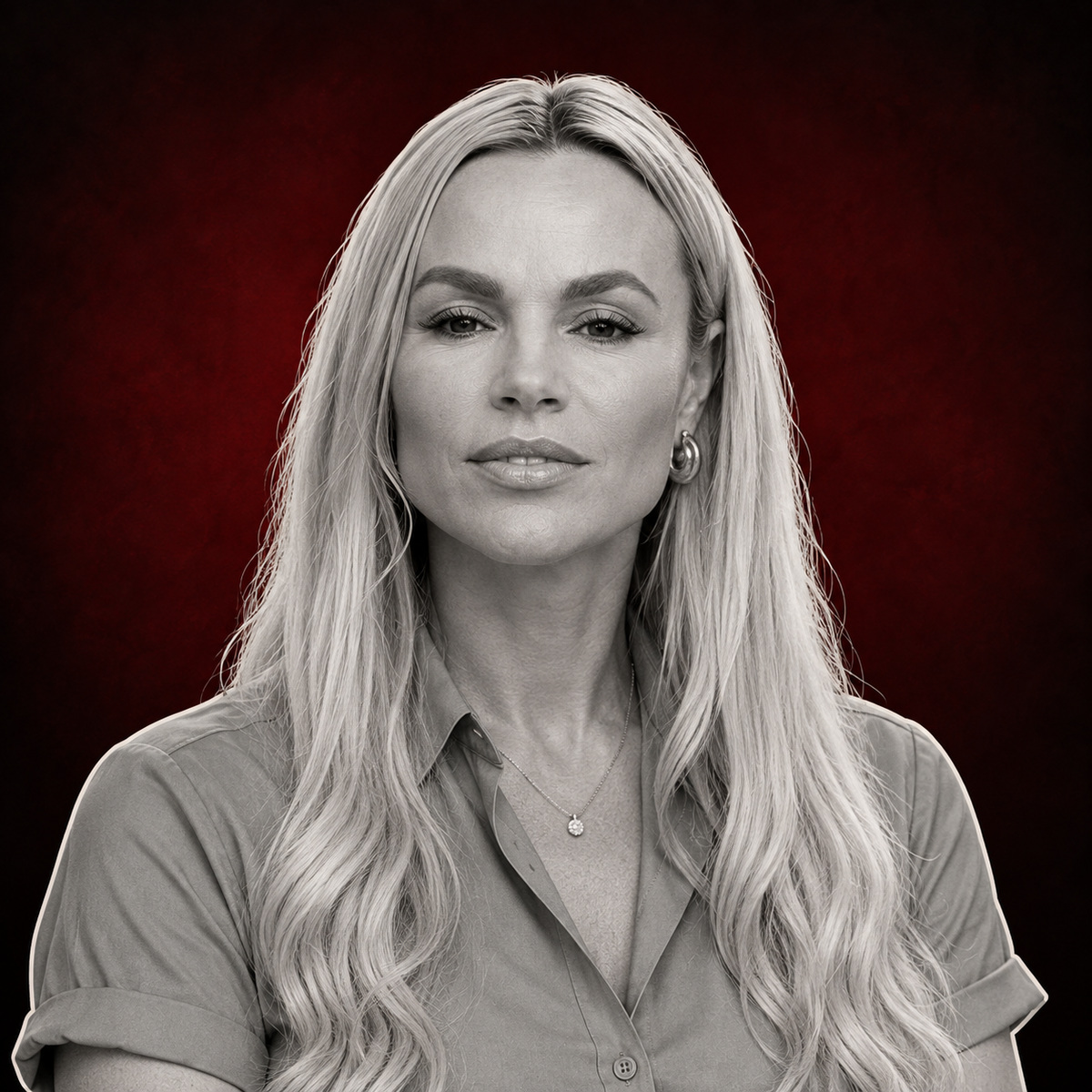
About The Guest
Izabela Hamilton
Izabela Hamilton is the CEO and founder of RankBell, an organic Amazon growth agency she started more than a decade ago. RankBell describes itself as an Amazon organic ranking specialist and reports more than $2 billion in organic sales generated for the brands it serves. Her approach centers on understanding the customer avatar and gathering feedback from a network of thousands of real shoppers across the United States, an approach she has also applied on Walmart, Etsy, TikTok, and Chewy. Born and raised in Romania under communism, Izabela came to the United States at 20 with $100 and no English through an au pair program, and later settled in San Diego. She also runs the Dose of Wealth YouTube channel, a passion project focused on mindset, self-mastery, and helping people rebuild their relationship with money. Izabela is a member of the Speakeasy Mastermind community.



